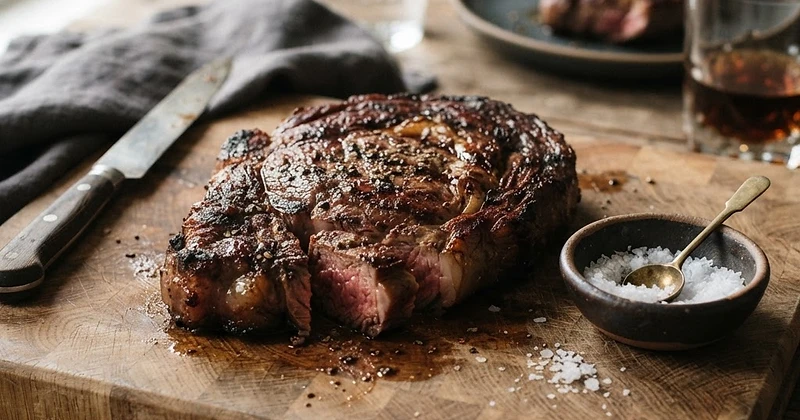
Discover how the ruminant-only Lion Diet accelerates visceral fat loss and restores metabolic flexibility. Explore the timeline and biological stages of reversing insulin resistance.
We only share products we believe in. Buying through a link may earn us a small commission — thanks for the support. Learn more →
Insulin resistance has become the defining metabolic crisis of modern times, acting as the root driver behind type 2 diabetes, cardiovascular decline, non-alcoholic fatty liver disease (NAFLD), and stubborn central adiposity. While traditional dietary advice often focuses on portion control or modest carbohydrate restriction, an increasing number of individuals turn to the ultimate elimination protocol: the Lion Diet.
By paring nutrition down exclusively to ruminant meat (primarily beef, lamb, and bison), salt, and water, the Lion Diet systematically removes dietary carbohydrates, seed oils, industrial food additives, and plant antinutrients. But when embarking on this ultimate zero-carb intervention, what does the physiological healing curve actually look like? In this comprehensive guide, we unpack the expected results, biological mechanisms, and realistic lion diet insulin sensitivity timeline.
The Core Mechanism: Why Ruminant Elimination Resolves Hyperinsulinemia
To understand why this protocol is so potent, one must examine the root pathology of hyperinsulinemia. In metabolic dysfunction, cells are chronically overloaded with competing energy substrates—notably refined carbohydrates combined with fats. Over time, receptors downregulate, circulating insulin remains chronically elevated, and the liver stores excess energy as ectopic fat.
As detailed by researchers studying zero-carb and therapeutic carbohydrate restriction, such as findings highlighted by Carnivore Aurelius, removing high-glycemic carbohydrates and inflammatory vegetable oils allows baseline circulating insulin to plummet. On the Lion Diet, three specific healing mechanisms take over:
- Elimination of Exogenous Glucose Spikes: Without carbohydrates, postprandial glucose excursions are practically eliminated. Gluconeogenesis becomes entirely demand-driven rather than supply-forced.
- Rapid Mobilization of Visceral and Ectopic Fat: With insulin suppressed, hormone-sensitive lipase (HSL) is activated, signaling the body to oxidize stored visceral and hepatic lipids.
- Gut and Systemic Inflammation Clearance: By eliminating plant lectins and processed ingredients that can irritate the gut barrier and cause low-grade systemic inflammation, tissue-level insulin receptor sensitivity is restored.
Metabolic Healing Stages on Zero Carb: What to Expect
Patients and practitioners frequently ask: how long to reverse insulin resistance on carnivore protocols? While metabolic damage acquired over decades does not vanish overnight, the body moves through predictable metabolic healing stages on zero carb.
Stage 1: Glycemic Stabilization & Fluid Shifts (Days 1–14)
The first biological milestone is rapid glycogen depletion. As hepatic and intramuscular glycogen stores are cleared, bound water and sodium are excreted via the kidneys. Blood sugar levels normalize rapidly, stabilizing between 70–95 mg/dL. During this initial transition, cellular keto-adaptation begins, and food cravings driven by erratic blood sugar swings largely disappear.
Stage 2: Hepatic De-Fatting and Basal Insulin Reduction (Weeks 2–8)
True insulin sensitivity cannot return until the liver and pancreas are cleared of ectopic fat. Clinical research published by organizations like the Cleveland Clinic and metabolic reviews note that elimination diets facilitate significant metabolic resets when sustained beyond four to six weeks. During this window, fasting insulin levels drop significantly, and the liver begins aggressively oxidizing intracellular fat stores.
Stage 3: Deep Visceral Fat Loss & Systemic Receptor Reset (Months 2–6)
Once liver function stabilizes, systemic visceral fat loss on the Lion Diet accelerates. Unlike subcutaneous fat under the skin, visceral fat wraps around internal organs and constantly pumps out inflammatory cytokines (like TNF-alpha and IL-6) that block insulin signaling. As waist circumference shrinks, insulin-mediated glucose uptake in skeletal muscle begins functioning normally once again.
Stage 4: Structural Reversal and Homeostatic Balance (6–12+ Months)
For individuals presenting with long-standing prediabetes, elevated HbA1c, or overt type 2 diabetes, full tissue-level healing—including beta-cell recovery in the pancreas—typically spans 6 to 12 months. Over this stage, markers such as HOMA-IR (Homeostatic Model Assessment for Insulin Resistance) drop into healthy, optimal zones.
The Lion Diet Insulin Sensitivity Timeline
According to clinical data compiled by resources like The Primal, the physiological timeline for reversing metabolic dysfunction follows a structured progression:
- Days 1 to 7: Dramatic reduction in post-meal glucose spikes; resolution of reactive hypoglycemia and afternoon fatigue crashes.
- Weeks 2 to 4: Measurable decrease in fasting blood glucose; initiation of endogenous ketone production; reduction in systemic fluid retention.
- Weeks 6 to 12: Meaningful drop in fasting insulin; notable reduction in abdominal bloating and visceral fat; improvement in triglyceride-to-HDL ratios.
- Months 3 to 6: Significant improvements in HbA1c (often dropping below 5.7%); reversal of mild-to-moderate steatotic liver disease.
- Months 6 to 12: HOMA-IR normalization (< 1.5); deep repair of endothelial function; long-term metabolic flexibility restored.
Crucial Biomarkers to Track Your Progress
To accurately monitor recovery on the Lion Diet, do not rely on standard body weight alone. Instead, track these clinical biomarkers:
- Fasting Serum Insulin: A truly insulin-sensitive individual generally maintains fasting insulin between 2.0 and 6.0 uIU/mL. High fasting insulin often precedes elevated glucose by years.
- HOMA-IR Score: Calculated as (Fasting Glucose x Fasting Insulin) / 405. Aim for a score under 1.5, with under 1.0 indicating optimal sensitivity.
- Triglyceride-to-HDL Ratio: A simple, effective surrogate marker for metabolic syndrome. A ratio below 1.5:1 (ideally close to 1:1) reflects robust metabolic health.
- Waist-to-Height Ratio: Keep your waist circumference below half of your total height to ensure visceral fat is receding.
Navigating Physiological Insulin Resistance (Adaptive Glucose Sparing)
A vital point of clinical nuance for zero-carb dieters: after months on the Lion Diet, a morning fasting blood sugar reading might sit slightly higher (e.g., 95–105 mg/dL) despite excellent health. This is not pathological insulin resistance; it is physiological insulin resistance, also known as adaptive glucose sparing.
Because your skeletal muscles are now exquisitely fat- and ketone-adapted, they preserve circulating glucose produced by gluconeogenesis for obligate glucose users like the brain and red blood cells. To verify that you are metabolically healthy and not insulin-resistant, simply cross-reference your morning blood glucose with your fasting insulin and HbA1c. If your fasting insulin is very low, your body is operating at peak insulin sensitivity.
Actionable Steps for Maximizing Results
To accelerate your timeline and optimize visceral fat loss on the Lion Diet, apply these practical recommendations:
- Prioritize Fatty Ruminant Cuts: Consume ribeye, chuck roast, 80/20 or 75/25 ground beef, and lamb shank. Adequate animal fat ensures metabolic satiety and prevents hormonal burnout.
- Do Not Under-Eat: Eat until comfortably stuffed at each meal. Caloric deprivation elevates cortisol, which can needlessly drive up fasting glucose.
- Walk After Meals: Ten to twenty minutes of light post-meal ambulation uses non-insulin-mediated glucose transporter (GLUT4) translocation, pulling any transient glucose straight into muscle cells.
- Incorporate Progressive Resistance Training: Building skeletal muscle increases the primary storage sink for glucose and triglycerides, cementing your metabolic reversal.
- Ensure Strict Compliance for at Least 90 Days: Allow your gastrointestinal system and cellular pathways sufficient uninterrupted time to reset before considering any future food reintroductions.
Sources & References