Transitioning to the Lion Diet can trigger fatigue, brain fog, and muscle cramps. Learn the science behind the lion diet keto flu and actionable strategies to overcome electrolyte imbalance and thrive.
We only share products we believe in. Buying through a link may earn us a small commission — thanks for the support. Learn more →
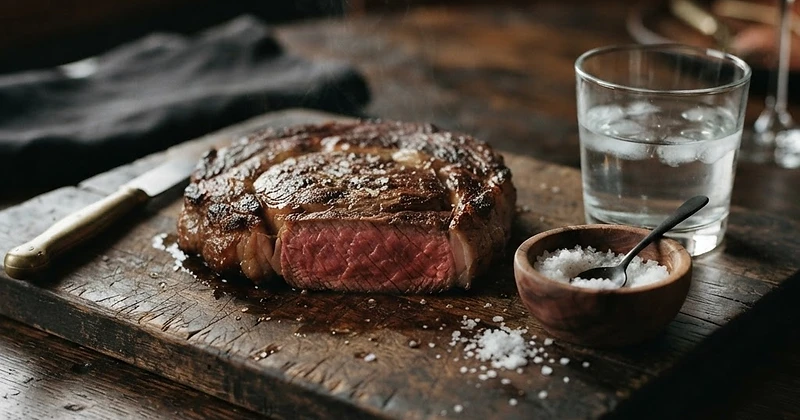
The Lion Diet—an ultra-strict elimination protocol consisting exclusively of ruminant meat (primarily beef, lamb, and bison), salt, and water—has earned a reputation as one of the most powerful restorative dietary interventions available. By eliminating plant toxins, common allergens, dairy, eggs, and processed additives, it allows the immune and digestive systems to reset completely. However, the path to biological resilience is not without obstacles. During the initial lion diet adaptation phase, many beginners encounter intense withdrawal symptoms colloquially called the lion diet keto flu.
Experiencing acute fatigue, lightheadedness, brain fog, digestive upset, and painful muscle spasms can make you question whether such an extreme protocol is viable. In reality, these classic lion diet side effects are almost always physiological responses to abrupt carbohydrate withdrawal, fluid shedding, and acute lion diet electrolyte imbalance. Understanding the metabolic shifts underway gives you the leverage needed to shorten the adaptation timeline, protect muscle function, and arrive safely at steady energy and mental clarity.
Understanding the Lion Diet Adaptation Phase
When you transition from a standard mixed diet—or even a moderate low-carb regimen—to only ruminant meat, water, and salt, your metabolism undergoes a fundamental shift. For years, your cells have relied primarily on glucose as their rapid-fuel source. Removing carbohydrates forces your liver to deplete stored glycogen, initiate gluconeogenesis, and upregulate the enzymatic machinery needed to generate and burn ketone bodies for fuel.
This metabolic reorganization is not instantaneous. Medical insights from institutions like the Cleveland Clinic confirm that the body typically takes several days to multiple weeks to efficiently mobilize and utilize fat as its primary energy driver. During this interim window, your circulating glucose is low, while cellular ketone uptake has not yet peaked. The result is a short-term cellular energy deficit that manifests as profound physical fatigue, irritability, and mental slowness.
The Underlying Cause: Water Loss and Electrolyte Imbalance
The primary driver behind severe lion diet side effects is not an inherent defect in eating red meat; it is a rapid shift in fluid and mineral balance. This happens due to two primary biological mechanisms:
1. Glycogen Depletion
Every gram of glycogen stored in human liver and skeletal muscle holds approximately 3 to 4 grams of water. As your body burns through its glycogen stores in the first 48 to 72 hours of zero-carb eating, those water molecules are released into circulation and quickly filtered out through the kidneys. This causes the classic "rapid water drop" experienced during week one.
2. The Natriuresis of Fasting
Insulin is an antinatriuretic hormone—it signals your renal tubules to hold onto sodium. When dietary carbohydrates are eliminated, circulating insulin levels plummet. In response, your kidneys stop hoarding sodium and rapidly excrete it into the urine, taking water, potassium, and magnesium along with it. As clinical reviews from Healthline outline, this sudden mineral loss directly triggers headache, postural hypotension (dizziness when standing), nausea, and muscle weakness.
Common Lion Diet Side Effects and Symptoms
Reports and tracking from carnivore communities and lifestyle platforms like Everyday Health highlight several hallmark symptoms during weeks one through three:
- Lethargy and Exercise Intolerance: Feeling drained walking up stairs or struggling through workouts while muscles lack familiar glycogen reserves.
- Tension Headaches & Lightheadedness: Caused by lower vascular volume and rapid sodium expulsion.
- Nocturnal Muscle Spasms: Sudden, painful twitches or cramps in the calves and feet, which point toward insufficient magnesium and potassium balance.
- Digestive Changes: Temporary bouts of diarrhea or watery stools as gut microbiome populations turn over and bile production ramps up to digest higher dietary fat.
- Sugar and Carb Cravings: Dopamine withdrawal combined with the body seeking fast calories before ketoadaptation takes hold.
Actionable Strategies to Beat the Lion Diet Keto Flu
You do not have to white-knuckle through weeks of misery. You can mitigate or entirely sidestep these side effects with systematic nutritional adjustments.
1. Aggressively Supplement Sodium
On a standard diet, packaged and processed foods deliver thousands of milligrams of hidden sodium. On the Lion Diet, you eat only what you season yourself. Because your kidneys are constantly excreting salt, you must replenish it purposefully.
- Add high-quality unrefined sea salt or rock salt (such as Redmond Real Salt or pink Himalayan salt) liberally to every cut of steak and ground meat.
- If you feel an afternoon crash or sudden headache, mix 1/4 to 1/2 teaspoon of salt into a glass of warm water and drink it slowly. Relief often arrives within 20 to 30 minutes.
- Aim for at least 4,000 to 6,000 mg of sodium daily during the initial two to three weeks of adaptation.
2. Don't Skimp on Dietary Fat
One of the most frequent beginner mistakes is eating cuts that are too lean. Without carbs, dietary fat is your sole source of fuel. Eating lean steaks (like sirloin or round) without added tallow forces the body into an unnecessary caloric deficit, which compounds fatigue, slows recovery, and sparks intense hunger pangs. Prioritize fattier cuts like ribeye, 70/30 or 80/20 ground beef, lamb chops, and beef short ribs, or ask your butcher for clean beef suet and trimmings to render into pure tallow.
3. Relieve Muscle Cramps with Magnesium
Muscle cramps are an unmistakable warning sign of an acute lion diet electrolyte imbalance. While meat naturally contains magnesium and potassium, the sheer volume of water excretion in the first few weeks can deplete cellular levels faster than ruminant meat alone replenishes them. If you experience twitching eyelids, restless legs, or nighttime calf cramps, consider applying topical magnesium oil to your legs or taking an elemental magnesium supplement (such as magnesium glycinate or malate) before bed, as recommended by healthcare educators at Dr. Axe.
4. Calibrate Your Hydration Intelligently
Drinking excessive volumes of plain distilled or filtered tap water without electrolytes can actually worsen your symptoms. Chugging plain water dilutes blood electrolyte levels further and triggers even more urination. Drink primarily to satisfy natural thirst, and make sure salt accompanies your fluid intake.
5. Taper Workouts During Weeks 1 and 2
The adaptation window is not the time to hit personal records in the gym or attempt high-intensity interval workouts. High-intensity exercise relies heavily on anaerobic pathways that depend on glucose. Scale your physical output down to zone-2 walking, gentle mobility, and light resistance training until your resting heart rate normalizes and daytime energy rebounds.
How Long Does Adaptation Take?
For most individuals starting from a moderate carbohydrate intake, the worst symptoms of the lion diet keto flu subside within 7 to 14 days. By week three or four, mitochondrial enzymes have adapted to oxidize fatty acids efficiently, digestive enzymes have adjusted to the higher fat intake, and renal sodium handling stabilizes. Many adherents report an unprecedented surge in sustained energy, complete elimination of bloating, resolved joint stiffness, and deep mental focus once they clear this metabolic hurdle.
Summary Checklist for Adaptation Success
- Salt generously: Never consume bland meat; salt until it tastes right to your palate and drink salted water as needed.
- Prioritize fat: Keep your fat-to-protein ratio close to 1:1 or 2:1 in grams (70–80% of total calories from fat).
- Protect your sleep: Take magnesium or sip warm salted bone-free beef broth to support nervous system relaxation.
- Stay patient: Remember that metabolic adaptation is a physical remodeling process. Respect the timeline and let your body adjust.
Sources & References