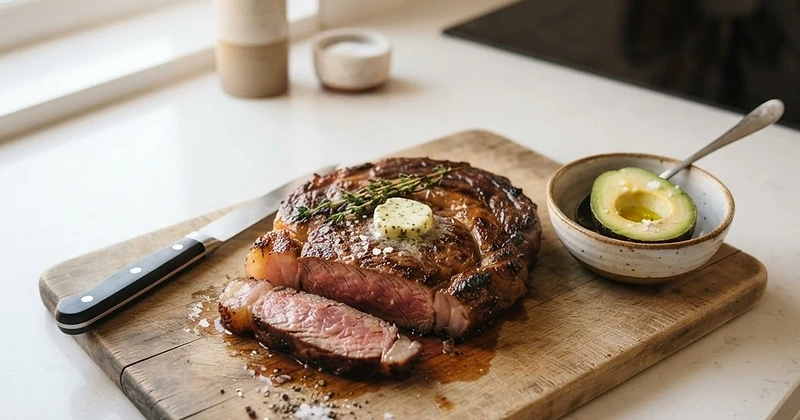
Jumping straight from a ketogenic diet into strict carnivore can shock your digestive system and trigger oxalate dumping. Discover why using a ketovore bridge diet is the safest, most sustainable way to achieve carnivore adaptation.
We only share products we believe in. Buying through a link may earn us a small commission — thanks for the support. Learn more →
If you have already spent time on a ketogenic protocol, you are likely no stranger to high-fat fueling, ketones, and carbohydrate reduction. However, moving from a standard low-carb regimen to an all-meat, zero-carb lifestyle is a massive physiological step. The keto to carnivore transition presents unique challenges that many experienced keto dieters underestimate, including sudden gut microbiome shifts, electrolyte swings, and the abrupt removal of all dietary plant compounds.
While cold-turkey switches can work for some, using a ketovore bridge diet is often the smartest, safest, and most sustainable pathway to full carnivore adaptation. Here is why the ketovore approach protects your gut, mitigates severe detox symptoms, and prepares your metabolism for long-term carnivore success.
The Metabolic Starting Point: Keto vs. Carnivore
Many believe keto and carnivore are nearly identical because both trigger ketosis. However, their execution differs fundamentally. Standard keto is driven by macro constraints: keep net carbs low (usually 20–50 grams per day), moderate protein, and fill the rest with fat. This frequently includes keto bread substitutes, nut flours, seed oils, and fibrous vegetables.
Conversely, the carnivore diet is qualitative: zero plant matter, virtually zero carbohydrates, and nutrient density sourced exclusively from meat, fish, eggs, and animal fats. When dieters jump instantly across this chasm, they often encounter acute gastrointestinal and metabolic friction.
Why Cold Turkey Can Backfire: The Pitfalls of an Immediate Switch
Even if you are already fat-adapted from keto, going straight to pure carnivore can trigger several disruptive side effects:
1. Acute Fiber Drop-Off and Microbiome Shock
Your gut microbiome evolves based on what you feed it. On keto, your digestive system maintains colonies of bacteria specialized in fermenting fiber from leafy greens, chia seeds, and almond flour. Abruptly dropping your dietary fiber to zero deprives these microbes overnight, frequently resulting in rapid stool changes, bloating, or watery diarrhea until bile production and carnivorous gut flora adapt.
2. Oxalate Dumping Syndrome
Many keto favorites—such as spinach, almonds, chia seeds, raspberries, and dark chocolate—are high in oxalates (anti-nutrient plant compounds). When you immediately eliminate all oxalates, your kidneys and connective tissues can trigger rapid elimination, known as "oxalate dumping." Symptoms can include joint pain, gritty eyes, skin rashes, fatigue, and burning sensations during urination.
3. The "Protein Creep" Electrolyte Shift
Shifting from keto to carnivore often naturally spikes your daily protein intake while shifting your fat sources purely to animal fats. As insulin drops even lower from the elimination of residual net carbs, your kidneys excrete additional sodium and water, triggering a secondary wave of fatigue or muscle cramps.
The Ketovore Bridge Diet: The Ideal Middle Ground
The ketovore bridge diet is an animal-first dietary framework that derives roughly 80% to 90% of daily calories from animal foods, leaving 10% to 20% for select low-toxicity, low-carb plant items. Instead of tracking macros first, ketovore prioritizes animal foods while retaining a minimal plant safety valve.
Key Advantages of the Ketovore Stepping Stone
- Gradual Oxalate Weaning: By retaining small amounts of plant foods, you taper oxalate clearance smoothly, avoiding acute detoxification symptoms.
- Gentle Digestive Transition: A gradual reduction of fiber gives your digestive enzymes and gallbladder time to upregulate stomach acid and bile salts for purely animal-based digestion.
- Psychological Sustainability: Eliminating every plant product overnight can cause social friction and psychological fatigue. Ketovore allows you to build solid animal-based habits while gradually pruning remaining trigger foods.
How to Transition to Carnivore Using Ketovore (A 4-Week Blueprint)
If you want to know how to transition to carnivore without the digestive turbulence, implement this structured four-week tapering strategy:
Week 1: Clean Up the Keto Baseline
Eliminate all "dirty keto" crutches. Remove nut butters, almond flour baked goods, synthetic keto sweeteners, and industrial seed oils (canola, soybean, sunflower). Base every meal around a primary animal protein—such as beef, chicken thighs, salmon, or eggs—cooked in butter, tallow, or ghee, alongside simple green vegetables or avocado.
Week 2: Adopt the 85/15 Ketovore Ratio
Make red meat and fatty ruminants your dietary cornerstone. Shift plant foods to a minor garnishment rather than the main feature. Include low-toxin, low-oxalate plant choices if needed (such as peeled cucumbers, zucchini, or small portions of avocado). This slowly reduces total daily fiber while preserving digestive stability.
Week 3: Eliminate Vegetables, Keep Low-Tox Seasonings
Phase out fibrous plant vegetables entirely. Retain simple fruit-botanicals or mild flavorings if necessary (like lemon squeeze on fish, black pepper, or garlic salt). Focus on hitting satiety with fatty cuts like ribeye, 80/20 ground beef, pork belly, and eggs.
Week 4: Step into Full Carnivore Adaptation
Drop the remaining seasonings and condiments. Transition purely to ruminant meat, poultry, seafood, animal fats, and salt. Because you systematically tapered fiber, oxalates, and plant anti-nutrients over the previous three weeks, your body will transition into strict carnivore with minimal gastrointestinal disruption.
Actionable Tips for a Seamless Transition
- Eat to Satiety: Do not restrict portions during the shift. Under-eating is the leading cause of low energy and sugar cravings during carnivore adaptation.
- Salt Liberally: Use unrefined salt on all your meats to support blood volume and electrolyte balance during the deeper reduction of carbohydrates.
- Monitor Fat-to-Protein Balance: If you experience constipation, increase your fat intake (butter, tallow, suet). If you experience loose stools, dial back liquid fats and stick to solid fats until your digestion normalizes.
Conclusion: Progress Over Perfection
The transition from keto to carnivore does not have to be an all-or-nothing shock to your metabolism. By leveraging a ketovore bridge diet, you give your digestive enzymes, gut microbiome, and kidneys the runway they need to adapt gracefully. Take your time, listen to your biofeedback, and let ketovore guide you safely toward optimal animal-based vitality.
Sources & References