Discover how the Lion Diet pairs with therapeutic fasting to spark cellular repair, suppress systemic inflammation, and reset the immune system based on emerging science.
We only share products we believe in. Buying through a link may earn us a small commission — thanks for the support. Learn more →
In the quest to overcome treatment-resistant autoimmune conditions, severe digestive distress, and chronic joint pain, many individuals arrive at the most foundational iteration of the carnivorous lifestyle: the Lion Diet. Consisting solely of ruminant meat (primarily beef, lamb, and bison), salt, and water, the Lion Diet represents the ultimate elimination protocol. While clinical reports and patient testimonials frequently highlight rapid drops in systemic inflammatory markers, a deeper physiological mechanism is at play when this way of eating is strategically paired with fasting: autophagy.
Understanding the molecular interplay between the Lion Diet, cellular housekeeping, and immune signaling can bridge the gap between anecdotal success and clinical science. Here is what current research reveals about lion diet autophagy, inflammation pathways, and therapeutic fasting science.
The Mechanics of Cellular Cleanup: What Is Autophagy?
Autophagy, translated literally from the Greek as "self-eating," is the body's internal recycling program. During nutrient-rich states, cellular energy is governed by mechanistic Target of Rapamycin (mTOR), a nutrient sensor that drives growth, protein synthesis, and cell proliferation. However, sustained mTOR activation inhibits cellular maintenance.
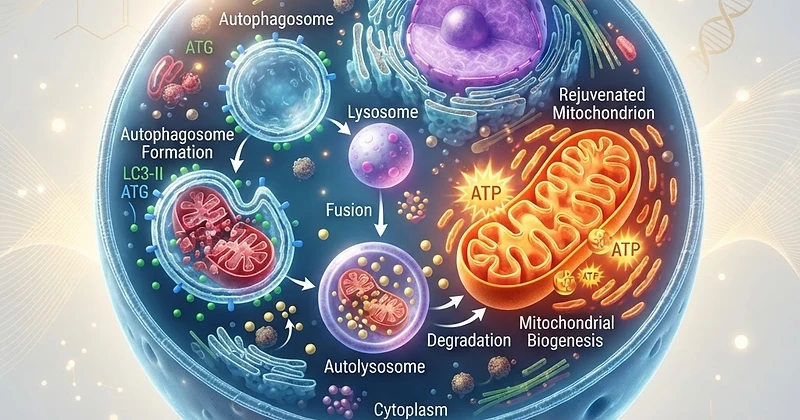
When nutrient influx halts or cellular stress increases, adenosine monophosphate-activated protein kinase (AMPK) and sirtuins (specifically SIRT1) are triggered. This metabolic shift suppresses mTOR, signaling the cell to identify damaged organelles, misfolded proteins, and dysfunctional mitochondria, encapsulating them into autophagosomes and delivering them to lysosomes for enzymatic degradation. Through this pathway, the cell clears toxic molecular debris and salvages raw materials for renewal, providing widespread cellular repair fasting lion diet practitioners seek.
How the Lion Diet Alters Inflammatory Cascades
To understand why the Lion Diet is frequently cited in inflammatory bowel disease (IBD) and autoimmune remission discussions, we must look at what it aggressively removes rather than merely what it adds:
- Zero Plant Antinutrients: Lectins, oxalates, phytates, and nightshade alkaloids can disrupt the delicate gut mucosal lining in susceptible individuals. By eliminating these irritants, intestinal hyperpermeability ("leaky gut") is given an uninterrupted opportunity to heal.
- Elimination of Glycation & Seed Oils: Removing refined carbohydrates, high-fructose syrups, and industrial seed oils high in oxidized linoleic acid cuts off the primary fuel sources for nuclear factor kappa B (NF-κB), a master driver of pro-inflammatory cytokines like TNF-α and IL-6.
- Neutrality of Pure Ruminant Meat: Systematic reviews demonstrate that unprocessed, natural red meat does not drive systemic inflammation biomarkers like high-sensitivity C-reactive protein (hs-CRP) when freed from confounding ultra-processed dietary backgrounds.
The Synergy: Carnivore Fasting and Inflammation
While the Lion Diet halts the external influx of antigen triggers, pairing this way of eating with time-restricted feeding or therapeutic intermittent fasting supercharges systemic recovery. This powerful duo impacts the body across several biological fronts:
1. NLRP3 Inflammasome Inhibition via Ketosis
A ruminant-meat protocol naturally drops baseline blood glucose and circulating insulin, elevating endogenous ketone bodies, primarily beta-hydroxybutyrate (βHB). Beyond serving as an efficient cellular fuel, βHB directly blocks the NLRP3 inflammasome—a multiprotein complex responsible for releasing inflammatory cytokines IL-1β and IL-18. When coupled with fasting windows, circulating ketone concentrations rise, exerting an immediate, targeted anti-inflammatory effect on vascular and joint tissue.
2. Immune System Rejuvenation and Autoimmune Quenching
Groundbreaking research in fasting autoimmune benefits demonstrates that prolonged fasting prompts the degradation of older, autoreactive leukocytes via targeted autophagy and apoptosis. Upon refeeding, hematopoietic stem cells are stimulated, regenerating a naive, self-tolerant population of immune cells. For those suffering from autoimmune flares, fasting provides a true immunological reset, and refeeding strictly with non-immunogenic ruminant meat prevents newly cleared pathways from being re-triggered.
3. Mitochondrial Homeostasis and Mitophagy
Mitochondrial decay and leaking reactive oxygen species (ROS) trigger chronic inflammatory signaling cascades. Fasting stimulates mitophagy—the selective autophagic removal of dysfunctional mitochondria. Feeding solely on nutrient-dense ruminant fats provides pristine, stable fatty acids that yield minimal oxidative stress during ATP generation.
Navigating mTOR, Protein, and Autophagic Flux on Lion
A common inquiry among carnivore advocates is whether eating large quantities of ruminant protein permanently shuts down autophagy. Protein, particularly leucine, is a potent stimulator of mTOR. Does a meat-based diet halt cellular repair?
The answer lies in biological pulsatility. Human physiology did not evolve in a state of chronic, unceasing autophagy; it evolved in alternating cycles of catabolism (breakdown, recycling, autophagy) and anabolism (rebuilding, tissue repair, growth). When you eat a nutrient-dense Lion Diet meal, mTOR spikes, directing vital amino acids toward muscle repair, enzyme synthesis, and structural rebuilding. However, because the Lion Diet contains zero carbohydrates, insulin returns to baseline far quicker than it would after a mixed meal.
By spacing meals into deliberate time-restricted windows (such as 18:6 or One Meal a Day/OMAD), you allow insulin and amino acids to clear, rapidly swinging the metabolic pendulum back toward AMPK activation and autophagic cleanup.
Practical Implementation: Structuring a Lion Fasting Protocol
If you are looking to maximize autophagy and quiet chronic inflammation using the Lion Diet, execute the protocol systematically:
- Adapt to the Lion Diet First: Spend 2 to 4 weeks adapting to 100% ruminant meat, salt, and water before attempting aggressive fasts. Let your body upregulate fat-oxidizing enzymes and stabilize fluid balance.
- Adopt an Intermittent Fasting Window: Begin with an 18:6 schedule (an 18-hour daily fast with a 6-hour feeding window) or 20:4. To track your fasting milestones, monitor your daily eating windows, and log metabolic transitions, leverage Natural Carnivore's built-in fasting timer directly within your dashboard.
- Prioritize Fatty Cuts at Refeed: Break your fasts with naturally fatty cuts such as ribeyes, 80/20 ground beef, or lamb shank. Adequate fat maintains deep nutritional ketosis and ensures cellular hormone production.
- Utilize Salt and Hydration: Autophagy and lower insulin levels accelerate sodium excretion by the kidneys. Liberally salt your meat and drinking water with unrefined sea salt to maintain electrolyte balance and avoid orthostatic fatigue.
- Listen to Your Body: If your primary goal is autoimmune remission, avoid extended multi-day fasts if they elevate systemic cortisol excessively. Intermittent cycles of 18 to 24 hours often offer the ideal balance between sustained autophagic turnover and regenerative nutrition.
The Verdict: What the Science Concludes
The combination of a Lion Diet and therapeutic fasting creates a powerful dual action against chronic inflammatory disease. By removing complex plant antigens, industrial toxins, and refined carbohydrates, you stop fueling inflammatory pathways. Concurrently, by leveraging fasting intervals to activate autophagy, you prompt your cells to clear out accumulated debris, soothe the gut mucosa, and recalibrate an overactive immune system.
As nutritional science continues to explore cellular mechanics, the intersection of zero-antigen carnivore eating and fasting remains one of the most clinically promising interventions for natural, cellular-level restoration.
Sources & References
- de Cabo, R., & Mattson, M. P. (2019). Effects of Intermittent Fasting on Health, Aging, and Disease. The New England Journal of Medicine, 381(26), 2541–2551.
- Alirezaei, M., et al. (2010). Short-term fasting induces profound neuronal autophagy. Autophagy, 6(6), 702–710.
- Youm, Y. H., et al. (2015). The ketone metabolite β-hydroxybutyrate blocks NLRP3 inflammasome-mediated inflammatory disease. Nature Medicine, 21(3), 263–269.
- Cheng, C. W., et al. (2014). Prolonged fasting reduces IGF-1/PKA to promote hematopoietic-stem-cell-based regeneration and reverse immunosuppression. Cell Stem Cell, 14(6), 810–823.
- Lietz, A., et al. (2026). Carnivore Diet: A Scoping Review of the Current Evidence, Potential Benefits and Risks. Nutrients / PMC, PMC12845189.