Discover how combining a meat-focused ketovore diet with One Meal a Day (OMAD) intermittent fasting maximizes autophagy, accelerates fat loss, and simplifies ancestral nutrition.
We only share products we believe in. Buying through a link may earn us a small commission — thanks for the support. Learn more →
When modern nutritionists recommend eating every two to three hours to keep metabolism high, they overlook millions of years of hominid physiology. Ancestral humans thrived on a rhythm of rigorous hunting followed by concentrated feast cycles. By pairing animal-dense, meat-centric eating with targeted fasting windows, you unlock deep metabolic flexibility, streamline digestion, and trigger cellular cleanup mechanisms that frequent snacking systematically suppresses.
If you are exploring ketovore intermittent fasting or preparing to tackle ketovore OMAD (One Meal a Day), combining a 90%+ animal-based diet with a single daily feeding window offers unparalleled mental clarity, effortless satiety, and potent metabolic benefits. Here is your definitive guide to executing a meat-based, low-plant fasting protocol safely and sustainably.
The Biology of Ketovore and Intermittent Fasting
A ketovore diet bridges the gap between strict carnivore and classic ketogenic eating. It consists primarily of nutrient-dense animal foods—fatty ruminant meats, poultry, wild seafood, eggs, and animal fats—while permitting tiny, deliberate allowances for low-toxicity, low-carb plant additions (such as avocado, olives, black coffee, or herbs).
When you restrict carbohydrates and transition your fuel source to fatty acids and ketone bodies, hunger ceases to be an emergency. Blood glucose stabilizes, eliminating the dramatic insulin surges and subsequent crashes driven by high-carbohydrate meals. This metabolic baseline makes fasting on ketovore feel natural rather than grueling.
Why Ketovore and OMAD Are Synergistic
Fasting and ketogenic states mirror each other physiologically:
- Rapid Glycogen Depletion: Because ketovore eaters do not replenish muscle or liver glycogen with carbohydrate loads, fasting initiates ketone production much faster than in carbohydrate-adapted individuals.
- Suppressed Ghrelin: Protein and bioavailable animal fats prompt the release of peptide YY and cholecystokinin (CCK) while lowering the hunger hormone ghrelin. This hormonal cascade allows you to coast through a 23-hour fast without intrusive cravings.
- Deep Cellular Autophagy: Extended periods without amino acids and energy intake suppress mTOR (mechanistic target of rapamycin) and activate AMP-activated protein kinase (AMPK), stimulating autophagy—the body's process of recycling damaged organelles, misfolded proteins, and senescent cells.
The Transition: Moving from 16:8 to Ketovore OMAD
Leaping straight from a standard diet or multiple meals into a strict 23:1 OMAD schedule can overstress the adrenal system and lead to severe electrolyte deficits. A phased approach ensures your digestion, bile output, and mitochondrial enzymes adapt smoothly.
Phase 1: Fat Adaptation with 16:8 (Weeks 1–2)
Establish strict ketovore parameters first. Center every meal on fatty beef, lamb, pork belly, eggs, and butter. Confine your eating to an 8-hour window (e.g., 12:00 PM to 8:00 PM) and fast for 16 hours. During this phase, you are teaching your mitochondria to metabolize fat efficiently.
Phase 2: The 20:4 "Warrior" Window (Weeks 3–4)
Narrow your intake to a 4-hour window, consuming two smaller meals or one large meal followed by a light protein/fat snack. Track your fasting windows using tools like the Natural Carnivore fasting timer to establish accountability and monitor your body's adaptation.
Phase 3: The True Ketovore OMAD Protocol
Once you consistently feel clear-headed and energetic through the 20-hour mark, transition to OMAD. Your eating window will be approximately 60 to 90 minutes each day, within which you consume 100% of your caloric, micronutrient, and electrolyte targets.
Designing the Ideal Ketovore OMAD Feast
The primary pitfall of OMAD on a meat-based diet is unintentional undereating. Because red meat and animal fats are so satiating, eating an entire day's worth of calories in one sitting requires strategic meal assembly.
1. Prioritize Nutrient Density Over Sheer Volume
Lean chicken breast or bulky vegetables will fill your stomach before you hit adequate energy levels. Choose energy-dense, micronutrient-rich staples:
- Fatty Ruminant Meats: Ribeye steaks, 80/20 or 75/25 ground beef, lamb chops, or slow-cooked beef brisket.
- Pastured Egg Yolks: Rich in choline, biotin, and fat-soluble vitamins A, D, E, and K2.
- Organ Meats: Add 1–2 ounces of beef liver or heart weekly to maximize B vitamins, iron, and trace minerals.
- Selected Low-Toxicity Plants: Half an avocado, fermented pickles, or a tablespoon of bone broth simmered with sea salt and fresh thyme.
Sample Ketovore OMAD Plate (2,000–2,400 kcal)
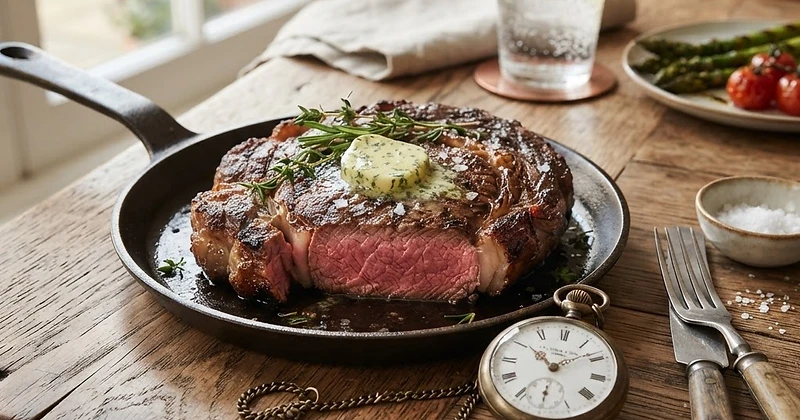
- 14 oz Grilled Ribeye Steak, topped with 2 tablespoons of grass-fed tallow or garlic-herb butter.
- 3 Soft-boiled pastured eggs dusted with coarse mineral salt.
- 4 strips of thick-cut, uncurred pastured bacon.
- 1/2 Haas avocado drizzled with extra virgin olive oil or tallow.
- Electrolyte-replenished sparkling mineral water.
Managing Electrolytes and Hydration During the Fast
Low-carb diets cause the kidneys to excrete sodium at an accelerated rate—a phenomenon known as the natriuresis of fasting. When combined with OMAD, maintaining fluid balance is critical to prevent fatigue, headaches, muscle cramps, and heart palpitations.
- Sodium: Consume between 4,000 and 6,000 mg of sodium daily. Add high-quality sea salt or pink Himalayan salt directly to your water throughout the day.
- Potassium & Magnesium: Savor bone broth during your feeding window or supplement with elemental magnesium glycinate before bed to support muscle relaxation and sleep architecture.
- Fasting Clean: Avoid zero-calorie artificially sweetened drinks during your fast. While non-caloric, artificial sweeteners can trigger an anticipatory cephalic phase insulin response, blunting fat mobilization and stimulating hunger.
Common Mistakes and How to Avoid Them
1. Consuming Too Little Fat
If your OMAD meal is overly lean, you risk protein toxicity (elevated gluconeogenesis paired with lack of energy substrate), leading to sluggishness and low thyroid output. Ensure your fat-to-protein ratio remains between 1:1 and 2:1 by weight (grams), meaning 70% to 80% of your calories should come from animal fats.
2. Neglecting Digestive Capacity
Tackling 1.5 pounds of steak and fat at once requires robust stomach acid (hydrochloric acid) and ample bile production. If you experience heaviness, reflux, or nausea, break your OMAD into two mini-meals spread across a 90-minute window rather than bolting it down in twenty minutes. Digestive bitters or betaine HCl can assist during the initial transition.
3. Rigid Inflexibility
OMAD is a powerful metabolic tool, not a religious mandate. If heavy lifting sessions, athletic events, or biological cues demand more fuel, open your window to 18:6 or 16:8 for a day or two. Cycling your fasting schedule preserves metabolic rate and keeps hormone levels, particularly thyroid and reproductive hormones, in healthy equilibrium.
Sources & References
- Arora, N., et al. (2023). Intermittent fasting with ketogenic diet: A combination approach for metabolic health. ScienceDirect / Clinical Nutrition Open Science.
- Ben-Dor, M., Gopher, A., & Barkai, R. (2021). The evolution of the human trophic level during the Pleistocene. American Journal of Physical Anthropology, 175(S72), 27-56.
- Cahill, G. F. (2006). Fuel metabolism in starvation. Annual Review of Nutrition, 26, 1-22.
- de Cabo, R., & Mattson, M. P. (2019). Effects of Intermittent Fasting on Health, Aging, and Disease. The New England Journal of Medicine, 381(26), 2541-2551.
- Lennerz, B. S., et al. (2021). Behavioral Characteristics and Self-Reported Health Status among 2029 Adults Consuming a "Carnivore Diet". Current Developments in Nutrition, 5(12), nzab133.