Intermittent Fasting on Carnivore: Combining OMAD with Meat-Based Eating
← All articles
FastingCarnivore

Intermittent Fasting on Carnivore: Combining OMAD with Meat-Based Eating

Discover how combining carnivore OMAD with animal-based nutrition accelerates fat loss, enhances mental clarity, and simplifies metabolic health without hunger.

By Editorial Team

We only share products we believe in. Buying through a link may earn us a small commission — thanks for the support. Learn more →

When transitioning to an animal-based way of eating, something unexpected frequently occurs within the first few weeks: your appetite plummets, your energy stabilizes, and you naturally forget to eat breakfast. What many beginners assume is a mistake is actually the evolutionary sweet spot of human physiology. Combining carnivore diet intermittent fasting—and specifically taking it to the level of carnivore OMAD (One Meal A Day)—is one of the most powerful ancestral strategies for metabolic restoration, rapid fat adaptation, and cellular cleanup.

While standard diets turn fasting into an exhausting battle of sheer willpower against unrelenting carbohydrate cravings, fasting on carnivore diet feels almost effortless. By eliminating blood sugar spikes and relying entirely on nutrient-dense, satiating animal fats and proteins, your body becomes metabolically flexible. Here is your authoritative guide to combining one meal a day with strict, meat-based eating.

The Evolutionary Logic Behind Meat-Based Intermittent Fasting

Modern society teaches people to eat every few hours, grazing constantly on processed snacks to avoid "hypoglycemia" or metabolic dips. Yet anthropologically and biochemically, humans evolved as apex predators who survived on feast-and-fast cycles. Our ancestors hunted megafauna, consumed massive amounts of nutrient-dense fatty meat and organs, and then fasted while tracking the next meal.

In a landmark observational study conducted by researchers at Harvard University on over 2,000 carnivore diet adherents, over 80% reported consuming two or fewer meals per day, with a significant segment thriving entirely on a carnivore diet one meal a day. The high nutrient density and superior bioavailability of animal fats trigger powerful satiety hormones like peptide YY (PYY) and cholecystokinin (CCK), while keeping ghrelin (the hunger hormone) subdued for 20 to 24 hours at a time.

The Synergistic Benefits of Carnivore OMAD

When you combine strict animal nutrition with an OMAD regimen—typically a 22:2 or 23:1 fasting-to-eating window—you create a potent physiological environment:

  • Accelerated Ketosis and Fat Oxidation: Both zero-carb eating and extended daily fasting depress baseline insulin levels. With circulating insulin at minimal levels, hormone-sensitive lipase (HSL) unlocks stored adipose tissue, allowing you to burn body fat around the clock.
  • Amplified Cellular Autophagy: Extended periods without food stimulate autophagy—the biological recycling process where your body breaks down dysfunctional proteins and cellular debris. Meat-based fasting cleans house without exposing your system to plant antinutrients or gut-irritating lectins.
  • Unwavering Mental Clarity: Without postprandial glucose crashes or brain fog induced by systemic inflammation, your brain fuels itself on clean ketone bodies and stable endogenous glucose via gluconeogenesis.
  • Radical Digestive Rest: A full 22-hour break between digestion sessions allows gut mucosa to heal, which is especially beneficial for individuals reversing autoimmune flares, IBS, or small intestinal bacterial overgrowth (SIBO).
  • Unmatched Simplicity: No macro calculators, no meal prep containers stacked in the fridge, and no endless food planning. You prepare one feast, eat to absolute fullness, and get on with your day.

How to Structure Your Carnivore Diet One Meal a Day

The cardinal error beginners make when attempting carnivore OMAD is undereating. OMAD is a tool for meal timing, not an excuse for severe caloric restriction. You must consume your entire daily caloric and micronutrient needs within a 60- to 120-minute feeding window.

1. Prioritize Fatty Cuts of Meat

Attempting OMAD with lean poultry, egg whites, or extra-lean ground beef will lead to rapid adrenal strain, fatigue, and thyroid downregulation. You must rely on fat for sustained cellular energy. Ideal staples include:

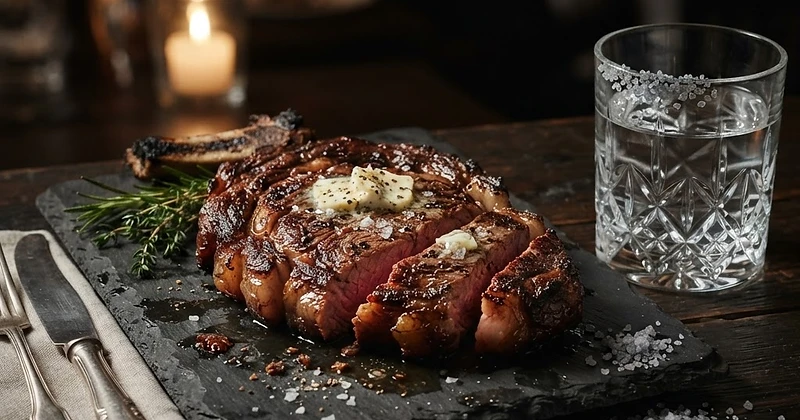
  • Ribeye, chuck roasts, and short ribs
  • 80/20 or 73/27 grass-fed ground beef
  • Fatty pork belly or lamb chops
  • Pastured egg yolks and beef tallow or marrow as cooking fats

2. The Optimal Fasting Window

Most individuals find optimal digestive and sleep performance by placing their eating window in the late afternoon (between 4:00 PM and 7:00 PM). Eating a large meat-heavy meal right before bed can disrupt slow-wave sleep due to the thermic effect of protein, while eating too early in the morning may feel heavy during active working hours.

Join the Community

Create your free account to access personalized targets, daily tracking, and lifestyle guidance tailored to your diet path.

Sign Up Free

You can easily map, track, and analyze your fasting windows using Natural Carnivore's built-in fasting timer inside your dashboard, ensuring you hit your target fasting duration daily without second-guessing.

Step-by-Step Protocol: Transitioning Safely to Carnivore OMAD

Do not jump directly from a standard carbohydrate-laden diet directly into zero-carb OMAD; doing so often leads to severe electrolyte imbalances and digestive shock. Instead, take a structured approach:

  1. Phase 1: Fat-Adaptation (Weeks 1–2): Consume three animal-based meals daily without carbohydrate restriction limits. Focus on getting comfortable digesting high-fat ruminant meat and rebalancing your minerals.
  2. Phase 2: Natural 2MAD (Weeks 3–4): Drop breakfast naturally. Eat two satisfying meals within a 6-to-8-hour window (such as 12:00 PM and 6:30 PM).
  3. Phase 3: The OMAD Shift (Week 5 and beyond): As daytime hunger evaporates, consolidate your calories into a single two-hour window. If genuine physical hunger returns earlier in the day, do not starve yourself—flex back to two meals when your body demands it.

Managing Electrolytes and Hydration During the Fast

When you eliminate carbohydrates, your kidneys excrete sodium and water at elevated rates (the natriuresis of fasting). Because carnivore foods contain virtually zero sodium naturally, you must actively replenish electrolytes during your fasted window to avoid headaches, muscle cramps, and heart palpitations.

During your 22-hour fast, consume unflavored water infused with generous pinches of unrefined sea salt or rock salt. Avoid commercial electrolyte powders that use artificial sweeteners, maltodextrin, or plant extracts, as these can provoke an insulin response and disrupt your fasted state.

Who Should Be Cautious with Carnivore OMAD?

While the combination of intermittent fasting and carnivore eating is transformative for many, it is not universally appropriate for every season of life. You should proceed cautiously or utilize a 2MAD structure if:

  • You are pregnant or breastfeeding, where biological energy demands require constant nutrient influx.
  • You are an ultra-high-volume competitive athlete or strength trainee struggling to consume adequate protein (e.g., 180g+) in a single sitting without gastric distension.
  • You have an active history of restrictive eating disorders.

Your Actionable Next Steps

Combining the ancestral density of the carnivore diet with intermittent fasting is the ultimate lifestyle hack for mental resilience, hormonal optimization, and sustainable leanness. To begin today:

  1. Solidify your base by eating strictly ruminant meats, eggs, and animal fats for at least 14 days.
  2. Eliminate snacking completely; eat until Thanksgiving-full at meal times.
  3. Track your daily fasting progression using your personal fasting timer on your dashboard.
  4. Salt your water generously and let real biological satiety dictate your journey to optimal health.

Sources & References

  • Lennerz, B. S., et al. (2021). "Behavioral Characteristics and Self-Reported Health Status among 2029 Adults Consuming a 'Carnivore Diet'." Current Developments in Nutrition, 5(12), nzab133.
  • Ben-Dor, M., Sirtoli, R., & Barkai, R. (2021). "The evolution of the human trophic level during the Pleistocene." American Journal of Physical Anthropology, 175(S72), 27-56.
  • de Cabo, R., & Mattson, M. P. (2019). "Effects of Intermittent Fasting on Health, Aging, and Disease." New England Journal of Medicine, 381(26), 2541-2551.
  • Horne, B. D., Muhlestein, J. B., & Anderson, J. L. (2015). "Health effects of intermittent fasting: hormesis or harm? A systematic review." The American Journal of Clinical Nutrition, 102(2), 464-470.

Join the Community

Create your free account to access personalized targets, daily tracking, and lifestyle guidance tailored to your diet path.

Sign Up Free

We use cookies and similar technologies to operate the site and improve your experience. By continuing, you agree to our use of non-essential cookies. See our Privacy Policy.