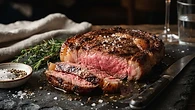
The Lion Diet—an ultra-strict elimination variant of the carnivore diet consisting exclusively of ruminant meat, salt, and water—has gained traction as a definitive reset for severe autoimmune flares, systemic inflammation, and compromised digestion. Popularized by figures like Mikhaila Peterson, this protocol strips away plant toxins, dairy, and food additives to give the human gastrointestinal tract a clean baseline.
Yet, once individuals adapt to ruminant-only eating, a natural physiological phenomenon occurs: hunger signals stabilize, blood sugar spikes vanish, and eating three square meals a day often feels forced. That is where lion diet intermittent fasting enters the picture. Restricting feeding windows can amplify digestive repair and accelerate fat loss, but finding the right rhythm—specifically choosing between One Meal a Day (OMAD) and Two Meals a Day (2MAD)—is critical to avoid digestive distress or metabolic sluggishness.
Why Fasting and the Lion Diet Are a Natural Pair
Fasting on carnivore and the Lion Diet feels radically different than fasting on a standard carbohydrate-rich diet. On a standard diet, fasting often involves a battle against falling glycogen levels, rebound hypoglycemia, and sharp surges of ghrelin (the hunger hormone). When relying purely on ruminant meats like beef, lamb, and bison, your body operates in nutritional ketosis, utilizing fat and ketone bodies for steady, sustained fuel.
When you pair ruminant nutrition with intermittent fasting, several synergistic mechanisms take place:
- Digestive Decompression: Giving your stomach and intestines extended periods without active mechanical or chemical breakdown allows the gut mucosa to recover.
- Enhanced Migrating Motor Complex (MMC): The MMC functions as the gastrointestinal tract’s internal housekeeper, sweeping residual debris and bacteria through the small intestine. It activates only during fasted states, making fasting a potent strategy against Small Intestinal Bacterial Overgrowth (SIBO).
- Sustained Low Basal Insulin: Eliminating dietary carbohydrates keeps baseline insulin exceptionally low, promoting lipolysis (fat breakdown) and cellular autophagy.
OMAD vs. 2MAD: The Core Differences
When structuring your lion diet meal timing, the two most common frameworks are OMAD (a roughly 22:2 or 23:1 fasting-to-eating window) and 2MAD (typically an 18:6 or 16:8 split with two distinct meals). While both yield significant metabolic benefits, their physiological impacts on digestion and recovery diverge sharply.
| Metric | Lion Diet OMAD (One Meal a Day) | Lion Diet 2MAD (Two Meals a Day) |
|---|---|---|
| Typical Eating Window | 1 to 2 hours | 4 to 8 hours |
| Digestive Load per Meal | Extremely high (1.5–3.0 lbs of meat) | Moderate (0.75–1.5 lbs per meal) |
| MMC Activation & Gut Rest | Maximum (22+ hours of complete digestive rest) | High (16–18 hours of digestive rest) |
| Protein Absorption & Satiety | Concentrated, can trigger sluggishness or reflux | Steady, predictable digestion |
| Fat Loss Potential | Rapid; naturally prevents caloric surplus | Consistent; highly sustainable long-term |
The Case for Lion Diet OMAD
Lion diet OMAD involves consuming your entire caloric and nutrient quota in a single sitting. For a moderately active adult, this usually means sitting down to between 1.5 and 2.5 pounds of fatty beef or lamb.
Benefits of OMAD:
- Deeper Fasted State: A 22- to 23-hour daily fast maximizes the duration of cellular autophagy and provides extensive MMC activity, ideal for those seeking deep gut healing.
- Simplicity: You cook, eat, and clean once per day, freeing up cognitive bandwidth and eliminating food preoccupation.
- Breaking Fat Loss Plateaus: It is difficult to overeat calorie-dense ruminant fat in a strict 60-to-90-minute window, making OMAD a potent tool for stubborn weight stalls.
Drawbacks of OMAD:
- Stomach Acid and Bile Overload: Digesting 150+ grams of protein and significant amounts of animal fat in one sitting demands tremendous output from your stomach acid (hydrochloric acid) and gallbladder bile. If your digestive fire is already compromised, OMAD can lead to upper-GI bloating, nausea, or bile acid diarrhea.
- Under-eating Risk: Some individuals get full halfway through their meal due to intense peptide YY and CCK satiety signals, inadvertently leading to chronic under-eating and thyroid downregulation over time.
The Case for Lion Diet 2MAD
With 2MAD, you break your day into a comfortable 16:8 or 18:6 structure. For example, your first meal might take place at 12:00 PM and your second meal at 6:00 PM.
Benefits of 2MAD:
- Gentler on Compromised Guts: If you are using the Lion Diet to reverse inflammatory bowel disease (IBD), severe gastritis, or histamine intolerance, splitting your meat intake into two manageable portions prevents mechanical stretching of the stomach and reduces acute demands on digestive enzymes.
- Better Micronutrient and Amino Acid Utilization: Spreading protein intake across two separate feeding periods allows for balanced muscle protein synthesis (MPS) without digestive heaviness.
- Long-Term Compliance: 2MAD fits family dinners and social schedules far more easily than strict OMAD, reducing lifestyle friction.
Drawbacks of 2MAD:
- Slightly Shorter Fasting Windows: You trade a few hours of peak autophagy and gut rest for digestive comfort and nutrient distribution.
Which Protocol Should You Choose?
Choosing between OMAD and 2MAD comes down to your primary health objectives, your digestive capacity, and how your nervous system responds to fasting stress.
Choose OMAD If:
- You are fully adapted to the Lion Diet (at least 30 to 60 days in) and produce adequate stomach acid without digestive discomfort.
- You have hit a stubborn body-fat plateau despite zero carbohydrate intake.
- You experience mental clarity and higher productivity during long fasting stretches and do not struggle with fatigue or poor sleep.
Choose 2MAD If:
- You are new to the Lion Diet or coming off standard elimination diets.
- You suffer from active acid reflux, sluggish gallbladder function, or loose stools when eating high-fat meals.
- You engage in intense athletic training, heavy resistance training, or are actively trying to preserve and build lean muscle mass.
Step-by-Step Guide: How to Structure Your Fasting Schedule
To avoid the pitfalls of adrenal fatigue, electrolyte depletion, and digestive cramping, implement fasting methodically using this practical roadmap.