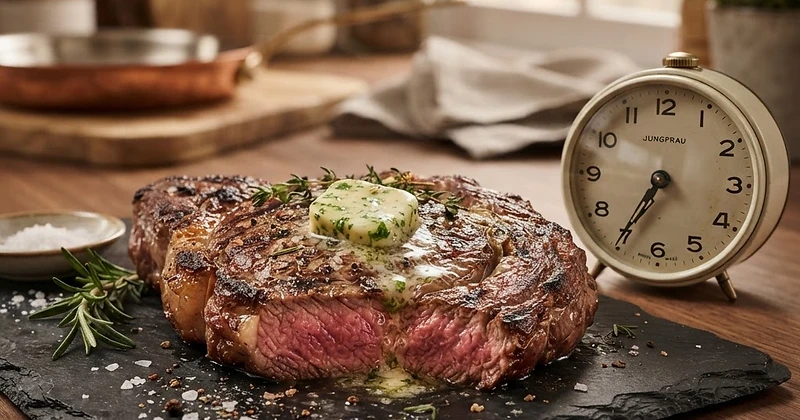
Curious about combining intermittent fasting or OMAD with an all-meat carnivore diet? Learn whether eating one meal a day supports or sabotages your metabolic and physique goals.
We only share products we believe in. Buying through a link may earn us a small commission — thanks for the support. Learn more →
When transitioning to an all-meat lifestyle, many carnivores notice a striking shift in their daily rhythm: hunger fades, grazing stops, and looking at the clock for lunch becomes unnecessary. In a widely cited Harvard survey on the carnivore diet, researchers observed that roughly 83% of carnivore dieters eat two meals or fewer per day, with roughly 17% adopting a pure One Meal A Day (OMAD) routine. But does combining carnivore fasting with an extreme protocol like OMAD supercharge your health, or does it hold back your performance and muscle preservation?
The Natural Match: Why Carnivore Satiety Drives Fasting
On standard carbohydrate-rich diets, hunger operates on a rollercoaster driven by blood glucose peaks and reactive insulin spikes. When circulating glucose drops every 3 to 4 hours, the brain signals urgent physical cravings.
On an all-meat protocol, that dynamic completely disappears. High-fat, zero-carb, protein-dense animal foods elevate satiety hormones like peptide YY (PYY) and cholecystokinin (CCK) while suppressing ghrelin, the primary hunger hormone. As noted in clinical literature on protein leverage and energy intake, higher-protein meals trigger lasting satiety relative to mixed diets. Consequently, an intermittent fasting carnivore diet is rarely something adherents need to force—it is frequently the natural consequence of metabolic stability and nutrient density.
The Appeal of Carnivore OMAD
Adopting an OMAD schedule while eating only meat attracts people for several compelling reasons:
- Simplicity and Time Efficiency: Prepping, cooking, and cleaning for a single feast eliminates food prep stress and meal planning from your day.
- Insulin Suppression: Prolonged periods without caloric intake ensure baseline circulating insulin levels stay low, promoting constant fat oxidation.
- Digestive Downtime: Consuming one feeding window per 24 hours gives the gastrointestinal tract extensive recovery time, which many individuals with autoimmune or gut flare-ups find therapeutic.
The Downsides of Forcing OMAD on Carnivore
While spontaneous carnivore OMAD can feel effortless, deliberately forcing a 23:1 fasting schedule on an all-meat diet carries genuine physiological pitfalls that should not be ignored.
1. The Protein Distribution and Muscle Preservation Problem
To preserve lean tissue and optimize body composition, active adults typically thrive on roughly 1.6 to 2.2 grams of protein per kilogram of target body weight. For an 80 kg individual, that amounts to 130–175 grams of daily protein.
Condensing that volume into a single 60-minute feeding window presents practical and physiological hurdles:
- Muscle Protein Synthesis (MPS): Research on anabolic signaling indicates that MPS peaks at roughly 0.4 g/kg per feeding opportunity. While your body will absorb and utilize all amino acids ingested across a large steak, spreading your intake across two or three distinct meals stimulates MPS multiple times throughout the day, providing superior support for muscle retention and hypertrophy.
- Accidental Caloric Undereating: It is remarkably difficult to finish 1.5 to 2 pounds of fatty ribeye and tallow in one sitting without severe gastric fullness. Over weeks, this chronic energy deficit can downregulate thyroid function, drop resting metabolic rate, and elevate cortisol.
2. Digestive Capacity and Bile Load
An authentic carnivore meal must rely on fats for 70% to 80% of total caloric intake. Consuming 120–150 grams of fat alongside heavy protein in a single bolus can overwhelm stomach acid (HCl) production and gallbladder bile reserves, frequently resulting in nausea, acid reflux, or rapid-transit diarrhea.
Finding Your Optimal Carnivore Meal Frequency
Rather than adopting arbitrary fasting windows, adjust your carnivore meal frequency to match your personal body composition goals, activity levels, and digestive capacity:
The 2-Meal Anchor (16:8 or 18:6) — Ideal for Most
For the vast majority of carnivore adherents, eating two substantive meals per day (such as 11:00 AM and 5:00 PM) offers the perfect balance. You obtain the metabolic benefits of a 16-to-18-hour overnight fast, cleanly stimulate muscle protein synthesis twice, and comfortably consume sufficient nutrient-dense fat and protein without digestive distress.
Spontaneous OMAD — Best for Sedentary Days
If you genuinely wake up, navigate the day with boundless energy, and simply feel no hunger until dinner, OMAD works well as a flexible tool. However, it functions best as an organic response to satiety rather than a rigid, calendar-bound dogma.
Three Meals Daily — Ideal for Athletes and Hardgainers
If your primary aim is building substantial muscle mass, lifting heavy, or recovering from high-volume training, two or three evenly spaced animal-based meals will reliably outperform single-meal feeding.
Practical Tips for Safe Carnivore Fasting
- Prioritize Salt and Minerals: Fasting accelerates renal sodium clearance. When combined with zero carbohydrates, your kidneys dump electrolytes rapidly. Liberal salting with unrefined sea salt is mandatory during fasting windows to prevent headaches and lethargy.
- Break the Fast Gently: If you do practice OMAD or 20:4 fasting, avoid opening your window with tough, gristly cuts or enormous amounts of rendered liquid fat. Start with a light portion of soft scrambled eggs, bone broth, or sliced tenderloin, waiting 30 minutes before consuming the bulk of your meal.
- Track Protein Intake: If you choose OMAD, monitor your daily meat volume to confirm you are not unintentionally undereating protein and micronutrients like zinc, iron, and B vitamins.
The Verdict: Should You Do OMAD on Carnivore?
You do not need to force rigid OMAD to reap the health rewards of a carnivore lifestyle. Animal foods already correct hormonal hunger cues, normalize insulin levels, and promote metabolic flexibility on their own. While occasional, spontaneous single-meal days are harmless and convenient, a structured two-meal routine (16:8 or 18:6) remains the gold standard for long-term hormonal balance, digestive comfort, and lean muscle retention.
Sources & References
- Kiltz, R. (2024). Carnivore Diet and Intermittent Fasting: Benefits and Meal Plan. Kiltz Health.
- Halton, T. L., & Hu, F. B. (2004). The effects of high protein diets on thermogenesis, satiety and weight loss: a critical review. Journal of the American College of Nutrition.
- Schoenfeld, B. J., & Aragon, A. A. (2018). How much protein can the body use in a single meal for muscle-building? Implications for daily protein distribution. Journal of the International Society of Sports Nutrition.
- Lowe, D. A., et al. (2020). Effects of Time-Restricted Eating on Weight Loss and Other Metabolic Parameters in Women and Men With Overweight and Obesity: The TREAT Randomized Clinical Trial. JAMA Internal Medicine.