Discover how combining intermittent fasting with an all-meat diet accelerates fat loss, enhances mental clarity, and simplifies meal planning. Learn the exact protocols for running carnivore OMAD safely and sustainably.
We only share products we believe in. Buying through a link may earn us a small commission — thanks for the support. Learn more →
When people transition to an animal-based protocol, an interesting metabolic phenomenon occurs: true physiological hunger disappears. In conventional high-carbohydrate diets, unstable blood glucose drives constant snacking and hunger spikes every three to four hours. But on an all-meat regimen, the sheer satiety derived from bioavailable protein and saturated fat naturally leads practitioners toward an effortless rhythm of eating.
This natural synergy has caused many to formally incorporate intermittent fasting on carnivore—particularly One Meal a Day (OMAD). When you pair the deep ketosis of zero-carb eating with the cellular cleanup and insulin sensitivity of extended fasting, you unlock a powerful metabolic intervention. However, condensing an entire day’s worth of energy, micronutrients, and fat into a single seating requires strategy.
The Evolutionary Logic of Carnivore and Intermittent Fasting
Combining time-restricted feeding with an animal-based diet is not a new health hack; it closely mimics human evolutionary biology. According to anthropological research highlighted by clinicians like Dr. Robert Kiltz at Kiltz Health, ancestral humans were apex hypercarnivores who naturally lived in feast-and-fast cycles. Our ancestors hunted large game, feasted on the fatty spoils until replete, and then fasted until the next successful hunt.
In a landmark survey conducted by Harvard University researchers examining over 2,000 carnivore participants, approximately 83% naturally practiced some form of time-restricted feeding, with thousands reporting significant improvements in body composition, digestive symptoms, and markers of metabolic syndrome. Shifting away from constant grazers to periodic feasters aligns directly with human metabolic architecture.
Key Benefits of Combining OMAD with Carnivore
1. Deep Insulin Sensitivity and Stubborn Fat Loss
Fasting and zero-carb diets share a common metabolic superpower: they flatten circulating insulin. Chronic hyperinsulinemia traps fatty acids inside adipose tissue. By utilizing a carnivore diet fasting schedule like OMAD (a 23:1 or 22:2 fast-to-feed window), baseline insulin remains suppressed for over 20 hours a day, keeping lipolysis at peak efficiency.
2. Enhanced Autophagy and Cellular Housekeeping
Extended daily fasting triggers autophagy, the physiological mechanism where cells recycle damaged organelles, misfolded proteins, and dysfunctional components. While carnivore dramatically cuts exogenous inflammatory triggers, fasting provides the digestive tract complete rest, allowing intestinal tissues and systemic pathways to clear metabolic waste.
3. Supreme Mental Clarity and Elimination of Food Obsession
When you restrict carbohydrates completely and run extended fasts, the liver accelerates production of beta-hydroxybutyrate (BHB). Ketones serve as an exceptionally clean substrate for the brain. Moreover, removing the need to prep, pack, and clean up after three to six meals a day eliminates decision fatigue and breaks compulsive food habits.
How to Structure Carnivore OMAD: Step-by-Step Blueprint
Jumping directly from a standard high-carb diet into a carnivore OMAD schedule is a recipe for adrenal strain and digestive failure. Follow this phased framework to transition safely:
Phase 1: Get Fully Fat-Adapted First
Never start OMAD during your first month of going zero-carb. Allow 3 to 4 weeks for your liver, kidneys, and mitochondria to upregulate fat oxidation enzymes. Eat whenever hungry, consuming two to three generous animal-based meals daily until fully adapted.
Phase 2: Transition Through a 16:8 Schedule
Once you are completely fat-adapted, you will naturally notice your morning hunger vanishing. Drop breakfast and adopt a standard 16:8 schedule (fasting for 16 hours, consuming two meals within an 8-hour window). Maintain this for 1 to 2 weeks.
Phase 3: Compress to OMAD (22:2 or 23:1)
Gradually push your first meal later until you are eating once a day. Most carnivores find the most sustainable OMAD window in the late afternoon or early evening, allowing for peaceful digestion prior to sleep.
Building the Ultimate Carnivore OMAD Plate
The single greatest mistake people make when practicing fasting on zero carb is undereating. Remember: OMAD is a tool for nutrient timing, not extreme caloric starvation. Your single meal must provide adequate energy to fuel basal metabolic rate, thyroid function, and lean mass preservation.
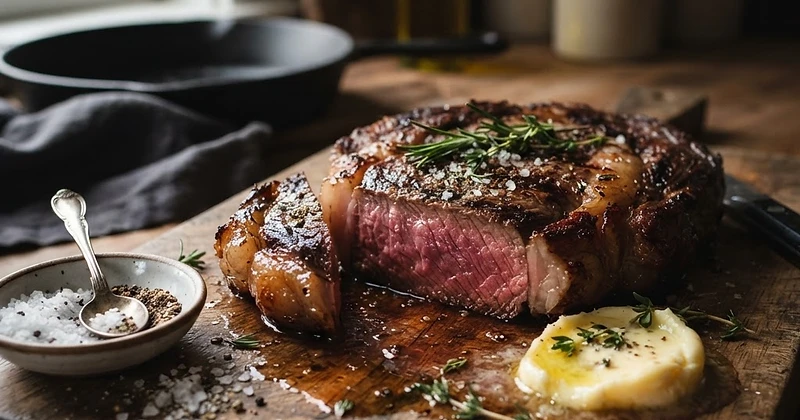
- Prioritize Fatty Cuts: Lean meats will not suffice on OMAD. You require caloric density. Anchor your plate with ribeye, chuck roast, 80/20 or 73/27 ground beef, beef short ribs, or lamb shoulder chops.
- Target the Right Macro Ratio: Aim for approximately 70% to 80% of calories from animal fats and 20% to 30% from protein. If your meat cut is lean, augment it with generous portions of tallow, lard, suet, or grass-fed butter.
- Include Nutrient-Dense Organs: Once or twice weekly, include 1 to 2 ounces of beef liver or heart within your OMAD meal to flood your tissues with preformed vitamin A, B-complex vitamins, copper, and choline.
- Hydration and Salt: Liberally season your meal with unrefined sea salt or pink rock salt. Fasting depletes sodium at a rapid clip via the kidneys.
Sample Carnivore OMAD Feasting Plans
| Protocol Option | Meal Composition | Key Metabolic Focus |
|---|
| The Classic Beef Feast | 18 oz Ribeye steak seared in 2 tbsp grass-fed tallow, 3 fried pasture-raised eggs, flaky sea salt. | Maximum satiety, balanced zinc-to-copper, rich in stearic acid. |
| The Budget Muscle Builder | 1.25 lbs 75/25 ground beef, 2 oz beef liver bites, cooked in natural rendered fat, topped with coarse salt. | Cost-effective, exceptional micronutrient density, bioavailable iron. |
| Surf & Turf Density | 14 oz New York strip, 6 oz wild sockeye salmon cooked in butter, 2 soft-boiled egg yolks. | Rich in anti-inflammatory omega-3 fats, iodine, and clean fat-soluble vitamins. |
Common Pitfalls and How to Overcome Them
1. Digestive Distress and "Tallow Tummy"
Consuming 100+ grams of fat in a single 60-minute window can overwhelm bile production and pancreatic lipase enzymes, leading to rapid loose stools. If this happens, widen your feeding window to a 20:4 (Two-Meal Carnivore), eating a smaller protein-rich appetizer (such as hard-boiled eggs or a small burger patty) followed by your main meal 90 minutes later.
2. Chronic Undereating and Metabolic Slowdown
Because animal fats are so satiating, some individuals feel full after consuming just 1,000 calories. Chronically under-fueling signals starvation to the hypothalamus, leading to thyroid downregulation, hair thinning, and sluggish recovery. If you cannot finish enough food in one seating, step back to a 16:8 or 18:6 protocol.
3. The Fasting Electrolyte Crash
Zero carbohydrates already lead to lower insulin levels and higher sodium excretion; layering a 23-hour fast on top intensifies this diuretic effect. To prevent head rushes, muscle cramps, and fatigue during your fasting window, sip plain water mixed with sodium, potassium, and magnesium malate or glycinate throughout the day.
The Verdict: Is Carnivore OMAD Right for You?
Carnivore OMAD is an exceptional therapeutic protocol for individuals seeking accelerated weight loss, ultimate digestive simplicity, and sustained cognitive stamina. However, it is an advanced tool. Listen closely to your biofeedback: if your workouts suffer, sleep deteriorates, or energy flags, simply widen your eating window to 18:6 or 20:4. By honoring your physiology and feeding with nutrient-dense, fatty animal foods, you can leverage fasting to achieve peak physical performance.
Sources & References