Master intermittent fasting on the Lion Diet with this definitive guide covering beef, salt, and water meal timing, autophagy benefits, and practical protocols.
We only share products we believe in. Buying through a link may earn us a small commission — thanks for the support. Learn more →
When you strip human nutrition down to its foundational elements—ruminant meat, unrefined salt, and clean water—something remarkable happens to human physiology. Blood glucose normalizes, systemic inflammatory cascades quiet down, and hunger signals recalibrate. For many individuals practicing the Lion Diet, an unexpected shift occurs: the compulsive desire to eat every few hours vanishes entirely.
This natural transition makes lion diet intermittent fasting one of the most biologically intuitive metabolic combinations available. By pairing the ultimate elimination protocol with deliberate windows of abstention, you can amplify cellular repair, sharpen mental clarity, and reclaim control over your body’s energy pathways. This guide provides the complete blueprint for timing your meals, managing electrolytes, and implementing a sustainable intermittent fasting protocol on pure ruminant fuel.
The Evolutionary Synergy: Why Fasting on Carnivore Diet Works
From an evolutionary perspective, human physiology developed under distinct cycles of feast and famine. Anthropological research indicates that early ancestral hominids were hyper-carnivorous apex predators who gorged on large ruminants after a kill and naturally fasted between hunts. Our digestive tracts, hormonal signaling, and cellular recycling systems evolved specifically to leverage this metabolic tempo.
When you are fasting on carnivore diet variations—particularly the strict Lion Diet—intermittent fasting ceases to be a test of willpower. On a standard carbohydrate-rich diet, fasting triggers dramatic drops in blood glucose that trigger reactive hypoglycemia, adrenaline spikes, and fierce hunger pangs. In contrast, ruminant meat provides bioavailable fats, essential amino acids, and high levels of satiety hormones like peptide YY (PYY) and cholecystokinin (CCK).
Because your body is adapted to fatty acid oxidation and ketone production, shifting between meal digestion and fasting is physiologically seamless. Insulin levels remain stable, allowing adipose tissue to mobilize fatty acids freely without hunger-induced brain fog.
The Core Physiology: Beef, Salt, and Water Fasting
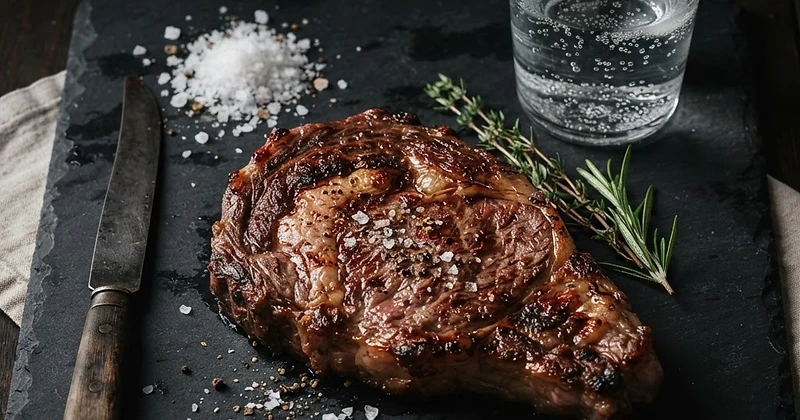
The Lion Diet adheres strictly to meat from ruminant animals (primarily beef, lamb, bison, and deer), natural salt, and pure water. This hyper-elimination framework strips away anti-nutrients, oxalates, lectins, plant fibers, and common allergens such as dairy and eggs. Introducing a structured beef salt water fasting protocol creates three powerful metabolic advantages:
1. Deep Autophagy and Cellular Housecleaning
Autophagy is the lysosomal degradation pathway that clears damaged organelles, misfolded proteins, and intracellular pathogens. Research published in the New England Journal of Medicine demonstrates that periods of intermittent fasting induce cellular stress responses that upregulate autophagy and enhance mitochondrial quality control. Because a ruminant-only diet completely avoids sugar and refined carbohydrates, baseline insulin remains low, allowing autophagic machinery to activate more rapidly during fasting windows.
2. Complete Digestive Rest
Even though ruminant meats are digested with exceptionally high efficiency in the human stomach and small intestine, resting the digestive tract allows the gut mucosal barrier to heal. For individuals using the Lion Diet to reverse severe autoimmune symptoms, inflammatory bowel disease, or intestinal permeability (leaky gut), fasting windows provide vital intervals for intestinal epithelial turnover.
3. Unmatched Metabolic Flexibility
When you fast while nutritional ketosis is already established, your liver smoothly maintains ketogenesis. Brain tissues thrive on beta-hydroxybutyrate (BHB), and peripheral tissues utilize free fatty acids. Energy dips, mid-afternoon crashes, and mood swings become obsolete.
Selecting Your Lion Diet Meal Timing Protocol
Choosing the correct lion diet meal timing schedule depends entirely on your current adaptation phase, activity levels, and personal goals. Below are the three most effective protocols for ruminant-based fasting:
The 16:8 Foundation (The Gentle Ramp-Up)
Schedule: 16 hours of fasting followed by an 8-hour feeding window (e.g., eating between 11:00 AM and 7:00 PM).
- Best for: Beginners transitioning from a standard diet or standard keto to the Lion Diet.
- Structure: Typically consists of two nutrient-dense meals. For example, a 16-ounce ribeye for lunch and 16 ounces of 80/20 ground beef with salt and tallow for dinner.
- Outcome: Easy electrolyte management and effortless adherence while your liver upregulates the enzymes required for efficient ketone production.
The 20:4 Warrior Schedule (Accelerated Fat Loss & Focus)
Schedule: 20 hours of fasting with a condensed 4-hour eating window.
- Best for: Experienced Lion Diet practitioners seeking enhanced focus and accelerated fat loss.
- Structure: One primary feast meal followed a few hours later by a smaller ruminant dish, or two medium steaks consumed within 4 hours.
- Outcome: Prolonged low insulin exposure, enhanced growth hormone secretion, and pronounced mental sharpness throughout the working day.
OMAD (One Meal a Day / 23:1)
Schedule: Fasting for 23 hours, followed by a single 1-hour feast.
- Best for: Individuals fully fat-adapted with healthy digestive capacity.
- Structure: A single, high-calorie meal consisting of 2 to 3 pounds of fatty ruminant meat, heavily salted, eaten until satiety.
- Outcome: Maximum digestive rest and deep daily autophagy. However, it requires deliberate effort to consume adequate calories and protein in one sitting.
Step-by-Step: How to Implement Your Fasting Protocol
Executing an intermittent fasting protocol safely and sustainably requires intentional preparation. Follow this systematic approach:
- Achieve Lion Adaptation First: Do not attempt 20-hour fasts on day one of the Lion Diet. Spend 2 to 3 weeks eating ruminant meat whenever you are hungry to allow your gut microbiome, gallbladder, and cellular enzymes to adjust to a pure fat-and-protein fuel source.
- Establish Your Eating Window: Choose a schedule that aligns with your lifestyle. If you prefer family dinners, skip breakfast and break your fast in the late morning or early afternoon.
- Track Your Fasting Periods: Keep yourself accountable and analyze your metabolic consistency using the fasting timer directly on your Natural Carnivore Dashboard.
- Salt Liberally: Without dietary carbohydrates, the kidneys excrete sodium at an accelerated rate (the natriuresis of fasting). Use unrefined sea salt or rock salt generously in your drinking water during the fast and over your meat during meals.
- Eat to Satiety: When breaking your fast, never restrict portions. Eat fatty cuts (such as ribeye, chuck roast, brisket, or 75/25 ground beef) until completely satisfied. Restricting calories while fasting will slow your basal metabolic rate and disrupt thyroid function.
Electrolytes and Hydration: Surviving the Fasting Window
The single most common mistake during beef, salt, and water fasting is electrolyte depletion. During a fast, you are consuming neither food nor supplemental plant-based electrolyte powders. Your protocol must rely strictly on natural salt and pure spring or mineral water.
If you experience headaches, lightheadedness, or muscle cramps while fasting, it is almost always a sodium deficiency. Dissolve a quarter teaspoon of coarse mineral salt under your tongue or mix it into warm water. Sodium retention supports fluid volume, preserves potassium balance, and sustains cellular energy through the sodium-potassium pump.
Common Pitfalls and How to Avoid Them
While combining intermittent fasting with the Lion Diet is intuitive, watch out for these subtle traps:
- Under-eating Fat: Lean meat can cause digestive sluggishness and elevated gluconeogenesis, spiking insulin higher than desired. Prioritize fatty cuts, beef suet, and lamb fat.
- Fasting Through Genuine Hunger: Intermittent fasting should be natural. If your body signals genuine metabolic hunger—distinct from habitual boredom cravings—break your fast with ruminant meat immediately.
- Neglecting Meal Size: Compressing your intake into a 4-hour window means you must eat larger portions than you are used to. Ensure you consume enough raw nourishment to sustain your lean mass.
Conclusion: Reclaiming Natural Metabolic Balance
Combining the Lion Diet with intermittent fasting strips away the artificial noise of modern nutrition. By fueling your body exclusively with ancestral ruminant meats and respecting your natural digestive clock, you unlock a state of low-inflammation, sustained energy, and cognitive clarity. Start slowly, salt your water generously, track your progress on the Natural Carnivore Dashboard, and let evolutionary biology do the heavy lifting.
Sources & References
- Mattson, M. P., Moehl, K., Ghena, N., Schmaedick, M., & Cheng, A. (2018). Intermittent metabolic switching, neuroplasticity and brain health. Nature Reviews Neuroscience, 19(2), 63–80.
- de Cabo, R., & Mattson, M. P. (2019). Effects of Intermittent Fasting on Health, Aging, and Disease. New England Journal of Medicine, 381(26), 2541–2551.
- Ben-Dor, M., Sirtoli, R., & Barkai, R. (2021). The evolution of the human trophic level during the Pleistocene. American Journal of Physical Anthropology, 175(S72), 27–56.
- Alirezaei, M., Kemball, C. C., Flynn, C. T., Wood, M. R., Whitton, J. L., & Kiosses, W. B. (2010). Short-term fasting induces profound neuronal autophagy. Autophagy, 6(6), 702–710.