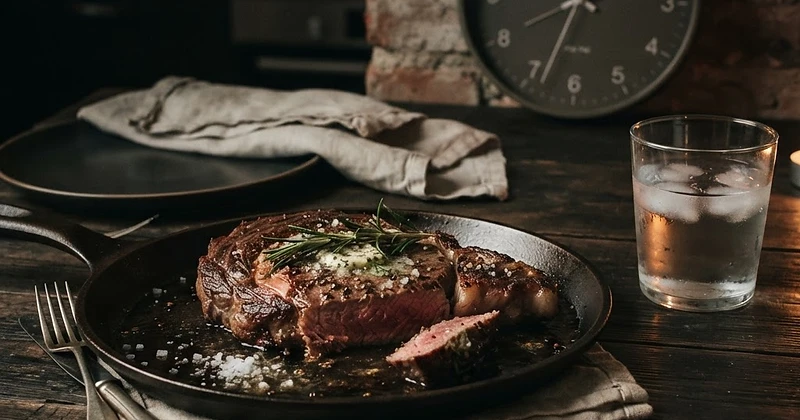
The Lion Diet stands as the ultimate elimination protocol: eating exclusively ruminant meat (primarily beef, lamb, and bison), salt, and water. Designed to strip away all common food antigens, anti-nutrients, and plant toxins, it offers the gastrointestinal tract an uninterrupted opportunity to quiet systemic inflammation. However, once you eliminate inflammatory triggers from your plate, an equally pivotal variable emerges: when and how often you eat.
Combining the Lion Diet with time-restricted eating or intermittent fasting carnivore patterns has become widely popular. Yet, when optimizing for gut barrier restoration, a crucial debate arises: Should you adopt One Meal A Day (OMAD) or Two Meals A Day (2MAD)? Both approaches offer distinct physiological benefits, but selecting the wrong protocol can overburden an already compromised digestive system.
The Gut Healing Synergy: Why Fasting Pairs with the Lion Diet
The human gastrointestinal tract is metabolically active and requires periods of rest to carry out cellular maintenance. Digesting protein- and fat-dense meals demands substantial stomach acid (hydrochloric acid), bile salt release, and pancreatic enzymes. Pairing lion diet fasting protocols with an all-meat regimen supports intestinal recovery in several distinct ways:
- Migrating Motor Complex (MMC) Activation: The MMC acts as an intestinal broom, clearing undigested debris and excess bacteria from the small intestine during fasting windows. Frequent snacking shuts down the MMC, which can exacerbate conditions like small intestinal bacterial overgrowth (SIBO). Fasting gives this sweeping mechanism adequate time to function.
- Upregulated Autophagy: Extended periods without food stimulate autophagy—the body’s process of clearing out senescent cells and recycling cellular components, which aids in epithelial tissue turnover along the intestinal mucosa.
- Resting Intestinal Permeability: By consuming food only during a discrete feeding window, you minimize repeated mechanical and chemical stress against the gut barrier, giving tight junctions time to repair.
Lion Diet OMAD: The Pros, Cons, and Gut Pitfalls
A lion diet omad protocol involves eating all of your daily caloric and nutritional requirements within a single 1- to 2-hour window, remaining fasted for roughly 22 to 23 hours. While advocates praise its simplicity and deep fasting state, it presents real trade-offs for individuals dealing with compromised digestion.
Benefits of OMAD for Gut Healing
- Maximum Fasting Duration: A 22-hour fast provides extended windows of digestive dormancy and keeps insulin levels baseline for most of the day, as outlined in analyses on OMAD metabolic benefits.
- Deep Ketosis: Long daily fasts coupled with zero-carbohydrate intake ensure sustained ketone production, specifically beta-hydroxybutyrate (BHB), which exerts anti-inflammatory signaling throughout the body.
Pitfalls of OMAD for the Compromised Gut
- Digestive Capacity Overload: Consuming 1.5 to 2.5 pounds of dense ruminant meat and accompanying tallow in a single seating requires immense digestive fire. If you suffer from low stomach acid (hypochlorhydria) or impaired bile flow, dropping an enormous bolus of fat and protein into the stomach can trigger bloating, acid reflux, or acute diarrhea.
- Protein and Fat Malabsorption: When the stomach and gallbladder are overwhelmed, unabsorbed fatty acids and peptides enter the lower intestines intact, drawing in water and irritating the intestinal mucosa.
- Cortisol Spikes: For individuals recovering from chronic illness, forcing all calories into an extreme one-hour window can induce elevated cortisol and sympathetic tone, running counter to the "rest and digest" state required for tissue healing.
The Case for 2MAD: The Balanced Gut Restoration Protocol
Two Meals A Day (2MAD) typically follows an 18:6 or 16:8 intermittent fasting schedule. In this setup, daily calories are divided between two substantial meals separated by 4 to 8 hours (for instance, eating at 11:00 AM and 5:00 PM).
Why 2MAD Often Wins for Leaky Gut Recovery
Practical comparisons on carnivore OMAD versus 2MAD protocols show that spreading meat intake across two distinct windows relieves significant mechanical stress on the gut while preserving the primary advantages of fasting:
- Digestive Feasibility: Digesting two 12-ounce to 16-ounce steaks hours apart is considerably easier for the stomach lining, gallbladder, and pancreas to process than tackling a massive 32-ounce portion at once.
- Stable Nutrient Assimilation: Distributing fat and amino acid intake allows steady enzymatic breakdown, minimizing postprandial lethargy, nausea, and loose stools.
- Consistent Energy & Hormone Support: A wider feeding window prevents severe energetic deficits, reducing adrenal stress and supporting healthy thyroid and adrenal function during healing.
OMAD vs 2MAD: Direct Comparison
| Aspect | OMAD (One Meal A Day) | 2MAD (Two Meals A Day) |
|---|---|---|
| Fasting Window | 22–23 hours fasted | 16–18 hours fasted |
| Digestive Load | Very heavy (all meat & fat in 1 sitting) | Moderate (split across 2 meals) |
| MMC Activation | Maximum time for sweeping phase | Adequate daily clearance window |
| Risk of Diarrhea/Reflux | Higher (due to bile/acid saturation limits) | Substantially lower |
| Best Candidate | Metabolically adapted, strong digestion | Active gut healing, SIBO, leaky gut |
Structuring Your Lion Diet Meal Timing for Optimal Healing
If your primary goal is resolving chronic autoimmune flare-ups, food intolerances, and intestinal permeability, follow this step-by-step roadmap to establish your baseline lion diet meal timing.