Master the ultimate elimination protocol. Discover how combining the Lion Diet with one meal a day (OMAD) accelerates gut healing, deepens ketosis, and simplifies your nutrition.
We only share products we believe in. Buying through a link may earn us a small commission — thanks for the support. Learn more →
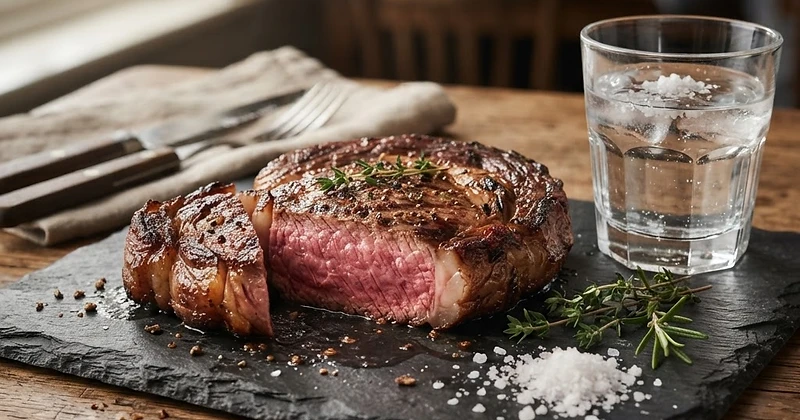
When you combine the most restrictive, restorative elimination regimen in the world with the potent cellular benefits of time-restricted feeding, you arrive at the Lion Diet OMAD protocol. Stripped down to its elemental core—ruminant meat, salt, and water consumed in a single, nourishing daily sitting—this approach eliminates virtually every modern dietary irritant while triggering profound metabolic flexibility.
Whether you are seeking deep gut restoration, relief from stubborn autoimmune symptoms, or simply total food freedom without endless food prep, eating one meal a day carnivore style can be transformative. However, thriving on one beef meal a day is not merely about sheer willpower; it requires careful attention to fat-to-protein ratios, digestive adaptation, and electrolyte balance. This carnivore omad guide outlines exactly how to implement the protocol safely and sustainably.
What Is Lion Diet OMAD?
The Lion Diet is an uncompromising form of the carnivore diet. While a standard carnivore approach permits poultry, pork, dairy, seafood, and eggs, the Lion Diet restricts intake strictly to:
- Ruminant meats: Primarily beef, but lamb, bison, elk, or goat are also permitted.
- Pure water: Flat or sparkling, free of synthetic additives.
- Salt: High-mineral sea salt or rock salt.
When combined with OMAD (One Meal a Day), you compress your entire daily nutritional and caloric requirement into a single eating window—typically between 60 and 120 minutes—fasting cleanly for the remaining 22 to 23 hours. The result is an omad beef salt water protocol that gives your gastrointestinal tract extended periods of restorative rest.
The Metabolic Science: Why Combine Ruminant Meat and OMAD?
Fasting and pure carnivore nutrition share overlapping evolutionary mechanisms. By fasting for 22 hours, systemic insulin levels stay suppressed, promoting intense lipolysis, glycogen clearance, and heightened levels of ketosis (Ciastek et al., 2025). In the absence of dietary carbohydrates, your liver relies on hepatic gluconeogenesis and ketone production to fuel your brain and peripheral tissues.
Simultaneously, prolonged periods without digestive load activate autophagy—the body’s cellular housekeeping mechanism that recycles dysfunctional proteins and downregulates systemic inflammation (Patterson & Sears, 2017). For individuals battling persistent histamine intolerance, oxalates, lectins, or small intestinal bacterial overgrowth (SIBO), removing all plant toxins and feeding only once in 24 hours provides rapid digestive relief.
Structuring Your Daily Beef Feast: Calories, Cuts, and Ratios
The single greatest mistake beginners make when starting a lion diet omad regimen is under-eating. Attempting to survive on a single 10-ounce lean strip steak will rapidly trigger lethargy, adrenal fatigue, and hormonal down-regulation.
1. Caloric and Nutrient Density
A thriving adult generally requires between 1.5 to 2.5 pounds of fatty beef each day, depending on body mass, activity level, and metabolic goals. You must consume your total daily maintenance or target energy in that single window.
2. The Essential 70:30 Fat-to-Protein Ratio
Because protein has a robust satiating effect, eating pure lean protein can fill your stomach before you have met your energetic baseline. Ruminant fat is essential. Target roughly 70% to 80% of your calories from fat, which equates to roughly a 1:1 ratio of fat to protein by weight in grams.
- Ideal Cuts: Ribeyes, chuck eye roasts, 75/25 or 73/27 ground beef, short ribs, and brisket.
- Fat Additions: Rendered beef tallow, crisp suet trims, or chilled bone marrow.
A Day in the Life: Executing the Protocol
Consistency creates metabolic harmony. To successfully manage your 23:1 fasting rhythm, track your fasting window diligently with a reliable system such as our fasting timer dashboard, which helps you monitor meal timings and evaluate how your digestive system handles extended fasts.
Morning: Hydration and Mineralization
Upon waking, your body requires hydration without digestive stimulation. Drink 16 to 24 ounces of spring water mixed with a pinch of quality unrefined salt. This sustains blood volume and supports healthy blood pressure without breaking your fast.
Midday: Sustained Focus
During the 14- to 18-hour mark, ketone levels rise. Expect heightened mental clarity as your brain utilizes beta-hydroxybutyrate. If you experience hunger pangs, evaluate your hydration and mineral intake; mild sodium depletion often mimics hunger during extended fasts.
Late Afternoon / Early Evening: The Feasting Window
Most carnivore practitioners find that eating between 4:00 PM and 7:00 PM fits best with natural social routines and leaves ample time for gastric emptying before sleep.
- Pace Yourself: Do not inhale 2 pounds of meat in 10 minutes. Spend 45 to 60 minutes enjoying your meal.
- Avoid Excessive Water at the Table: Diluting gastric stomach acid with excessive fluid during a massive beef meal can trigger bloating and sluggish digestion. Stop drinking water 30 minutes before your meal, and wait an hour post-meal before resuming hydration.
Overcoming Common Lion OMAD Challenges
Digestive Shock (Nausea or Loose Stools)
Consuming 100+ grams of animal fat in one sitting demands a surge of bile from the liver and gallbladder. If your gallbladder is not yet adapted, unabsorbed fat will pass directly into the colon, causing sudden loose stools. If this occurs:
- Transition gradually: Use a 16:8 or 20:4 window for two weeks before attempting a strict 23:1 OMAD schedule.
- Eat solid fats rather than hot, liquid fat drippings, as liquid tallow empties through the stomach much faster.
Electrolyte Management
Low insulin levels cause the kidneys to rapidly excrete sodium, taking potassium and magnesium along with it. Keep your salt shaker active. Generously salt your beef to taste with unrefined sea salt. If muscle cramps or headaches emerge, evaluate your daily sodium baseline.
Who Should Not Do Lion Diet OMAD?
While exceptionally healing for many, extreme dietary restrictions require caution. This protocol is generally not advised for:
- Pregnant or breastfeeding mothers who require constant nutrient turnover.
- Individuals with a history of active eating disorders.
- Those taking prescription medications that mandate intake with food multiple times per day.
- Underweight individuals struggling to absorb sufficient caloric volume.
The Takeaway: Simplicity Meets Metabolic Power
Lion Diet OMAD strips away the confusion, inflammatory triggers, and continuous meal-prep demands of the modern world. By fueling your body with ancestral, nutrient-dense ruminant beef and granting your gut nearly 23 hours of uninterrupted daily recovery, you establish an environment where inflammation recedes and metabolic health can flourish. Start gradually, prioritize fat, and log your fasting consistency on our fasting timer dashboard to master the protocol with confidence.
Sources & References
- Ciastek, B., Kapłon, K., & Domaszewski, P. (2025). A Comprehensive Perspective on the Biological Effects of Intermittent Fasting and Periodic Short-Term Fasting: A Promising Strategy for Optimizing Metabolic Health. Nutrients, 17(13), 2061.
- Patterson, R. E., & Sears, D. D. (2017). Metabolic Effects of Intermittent Fasting. Annual Review of Nutrition, 37, 371-393.
- Malinowski, B., et al. (2019). Intermittent Fasting in Cardiovascular Disorders—An Overview. Nutrients, 11(3), 673.
- Collier, R. (2013). Intermittent fasting: the science of going without. Canadian Medical Association Journal, 185(9), E363-E364.